
Blog
What Makes an Indian Restaurant Kids Menu Work?

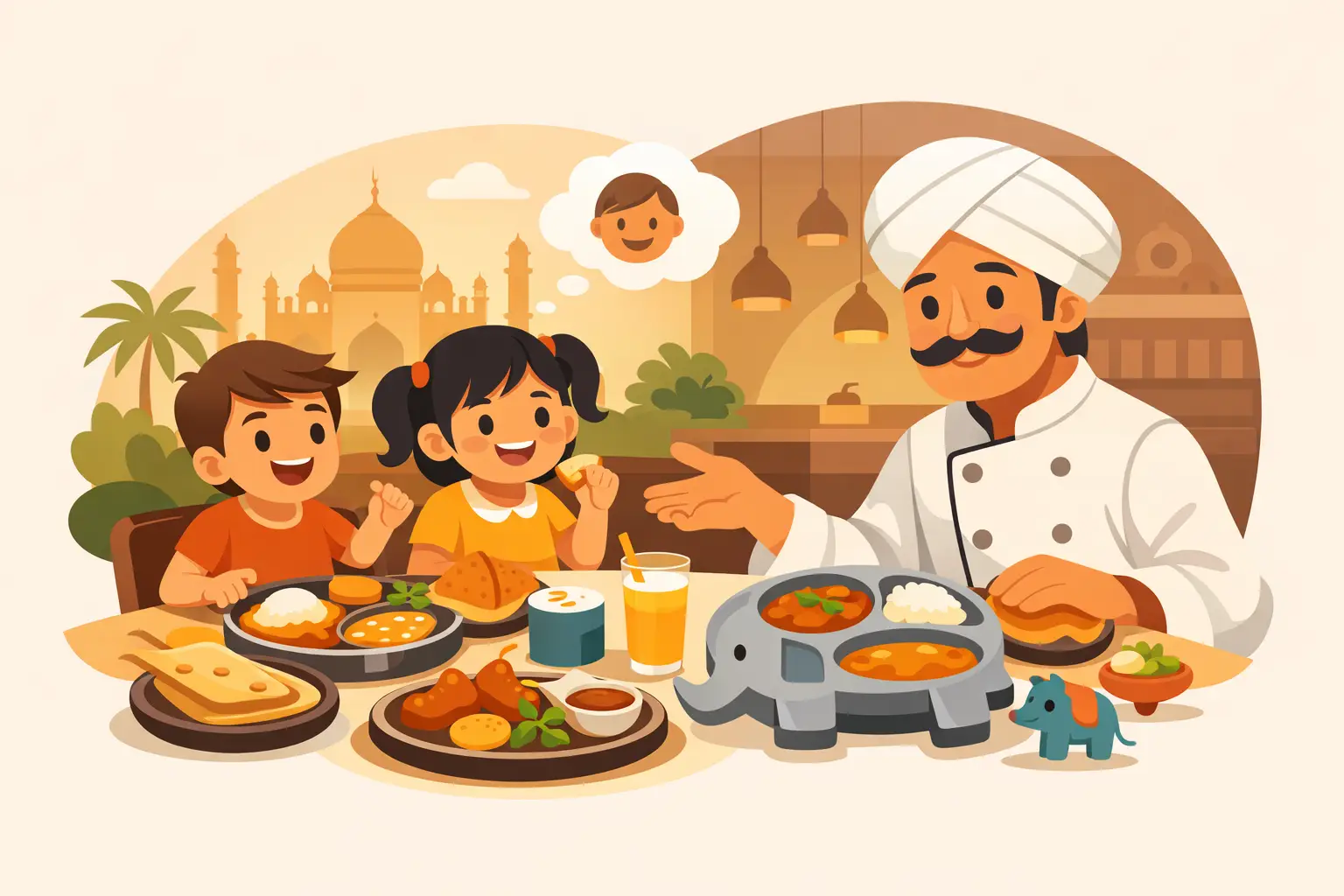
A family meal is at its best when nobody has to compromise. An Indian restaurant children’s menu should give younger diners a friendly introduction to vibrant flavours, while parents can settle into the curries, tandoori dishes and shared sides they have been looking forward to. It is not about making Indian food bland or unfamiliar. It is about making the table feel easy, generous and full of possibility.
For families in Naas and across County Kildare, that can turn an ordinary midweek dinner, a weekend treat or a birthday gathering into something everyone remembers. A warm welcome, a manageable portion and the reassurance of familiar textures can go a long way. From there, a child may take their first happy bite of a gently spiced curry, fluffy rice or warm naan fresh from the kitchen.
What a Great Indian Restaurant Children’s Menu Offers
The best children’s menus respect the fact that young diners are all different. One child may happily try fragrant spices and creamy sauces; another may prefer simple grilled chicken, rice and a little sauce on the side. Both are valid ways to enjoy a meal out.
Choice matters, but too much choice can make ordering feel like a negotiation. A considered menu gives families clear, appealing options without overwhelming anyone. Think comforting dishes with familiar ingredients, prepared with the same care as every other plate leaving the kitchen. Mild does not have to mean flavourless. A gentle sauce can still carry the aroma of toasted spices, tomato, yoghurt, herbs and slow-cooked onions.
Portion size matters too. Children need enough to feel included in the occasion, without a huge plate becoming daunting or wasteful. When dishes are served with rice, naan or a side that suits the meal, parents can relax knowing there is a proper, satisfying dinner in front of their child.
Familiar food, made with real character
Children often decide with their eyes before they take a bite. Golden grilled pieces, soft naan for tearing and dipping, colourful rice and a smooth, inviting sauce can make the first taste feel much less risky. The experience is playful as well as delicious.
That does not mean every dish needs to look or taste the same. Indian cooking has room for gentle creaminess, smoky tandoor flavour, bright tomato richness and savoury grilled textures. A good children’s menu lets children meet these flavours at their own pace, perhaps beginning with a favourite accompaniment before sampling something new from the family table.
For parents, the pleasure is seeing curiosity grow naturally. There is no need to push a child towards the hottest dish or insist they try everything. One bite of naan with a mild curry sauce can be the start of a new favourite.
Spice Should Be a Choice, Not a Worry
The word “spiced” can mean many things. In Indian cuisine, spices create depth, warmth and fragrance as much as heat. Cardamom can be floral, cumin can be nutty, and turmeric can bring a sunny colour to the plate. A thoughtful children’s offering recognises that distinction.
Families should feel comfortable asking whether a dish is mild, gently spiced or likely to be too hot for a particular child. The right recommendation depends on age, confidence and personal taste. Some children love a little warmth, while others prefer no chilli at all. There is no single right order.
A helpful restaurant team will guide parents towards suitable choices and explain how dishes are prepared. If a child likes chicken, for example, a gently flavoured chicken dish may be a natural place to start. If they are more adventurous, sharing a small taste of a parent’s curry can make the meal feel like an occasion rather than a separate children’s dinner.
Allergies and dietary needs deserve clear conversation
A family-friendly meal must also feel safe. Allergens can be present in ingredients and kitchen environments, and recipes may include dairy, nuts, gluten or other allergens. Always speak to the restaurant team before ordering if anyone in your party has an allergy or dietary requirement.
It is also useful to mention a child’s preferences honestly. If they dislike certain textures, avoid dairy or are nervous about chilli, a quick conversation makes it easier for the kitchen and front-of-house team to help. Hospitality is not just about delivering food to the table. It is about listening well before the order is placed.
The Joy of Sharing Indian Food With Children
Indian dining is naturally made for togetherness. A table of dishes encourages conversation, passing plates, tearing naan and deciding who gets the last spoonful of sauce. For children, this relaxed sharing can feel more exciting than receiving a meal that is entirely separate from everyone else’s.
Parents can make the experience feel low-pressure by ordering a few familiar foundations alongside one new flavour. Rice and naan offer an easy starting point. A mild dish gives a child a comfortable main course. Then the family can share a little from the wider meal if they are interested. This approach gives children control while keeping the spirit of a proper Indian feast alive.
There is a practical benefit, too. Sharing helps parents discover what their children genuinely enjoy. Perhaps they love the gentle char of a tandoori grill, the creaminess of a mild curry or simply the ritual of dipping warm bread into sauce. Those discoveries make the next family meal even easier to order.
An Indian Restaurant Children’s Menu for Dine-In and Home
Family dining needs change from week to week. Some evenings call for a relaxed table, time to talk and food arriving hot from the kitchen. Other days demand a quick collection after school, or a comforting delivery at home when everyone is tired. A strong children’s menu should work for all of these moments.
At home, setting out dishes in the middle of the table can recreate some of the restaurant occasion. Serve rice, naan and the children’s meal alongside the adults’ choices, then let everyone help themselves to a little more if they wish. It is a simple way to make takeaway feel generous and shared rather than hurried.
When dining out, a welcoming setting gives parents room to enjoy their own meal too. Children do not need a separate version of hospitality. They deserve the same friendly attention, freshly prepared food and sense that they are part of the gathering. At Maloti Indian Cuisine, family meals are approached in that spirit: with dishes crafted with love and tradition, and a table ready for conversation, celebration and a little delicious discovery.
Making the Next Family Meal Easier
Before you visit or order, take a moment to look at the current children’s options and consider what will make the meal enjoyable for your family. A familiar favourite may be exactly right after a busy day. On another occasion, a new flavour can become part of a child’s growing food story.
Ask for guidance on spice, mention allergies clearly and choose sides that make sharing easy. Most of all, leave room for the pleasure of the meal itself. A child happily dipping naan, a parent discovering an unexpected favourite, and a table full of warm dishes can be more than dinner – it can be the beginning of a family tradition.