
Blog
Indian Food for First Timers – What to Order

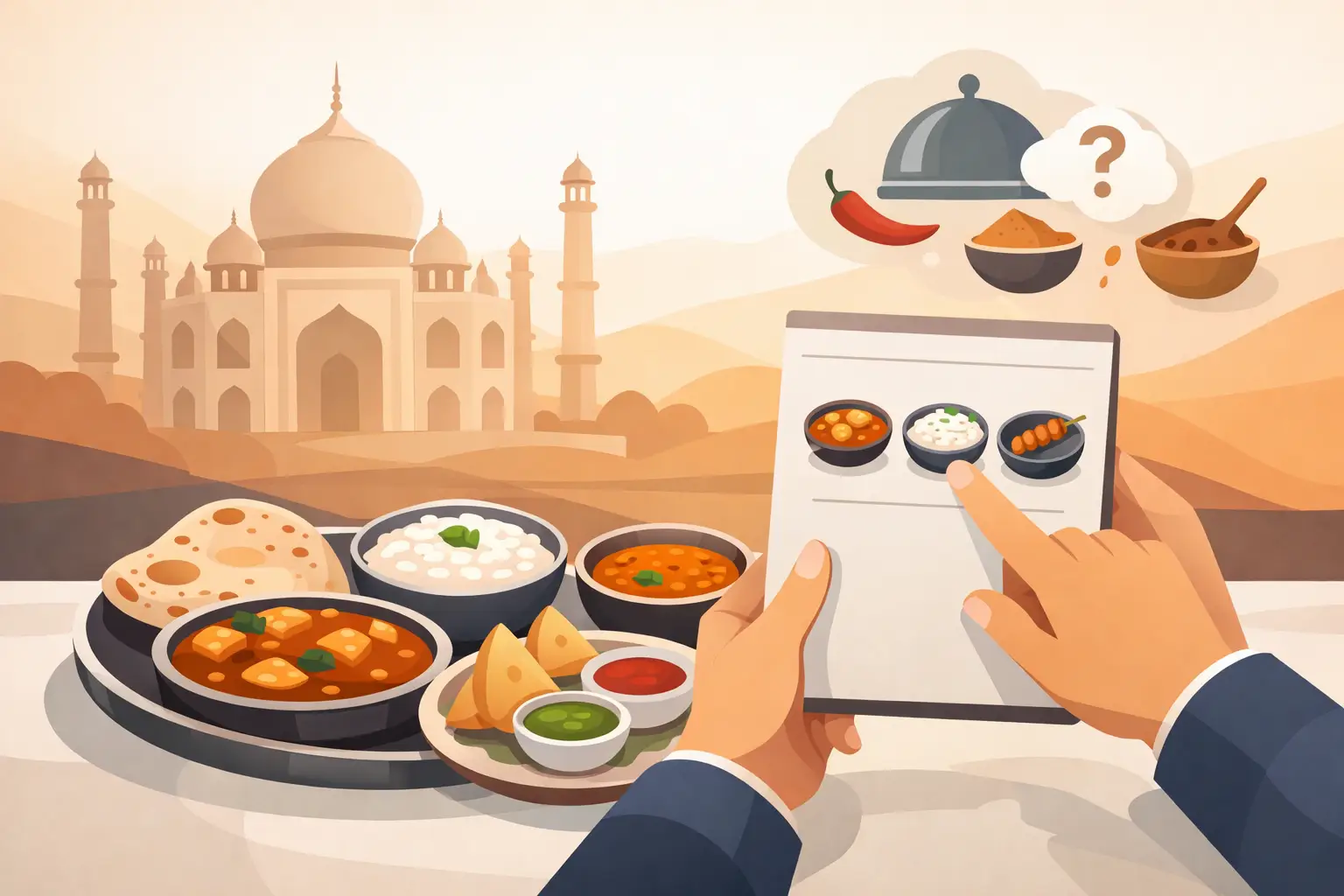
The first thing to know about Indian food for first timers is that it is not one single flavour, or even one single style of cooking. A smoky tandoori grill, a creamy curry, a bright chutney and warm bread fresh from the oven can all arrive at the same table, each bringing something different to the meal. The pleasure is in tasting the contrast, sharing a few dishes and finding the flavours that feel made for you.
There is no need to know every dish before you order. Come hungry, be honest about how much heat you enjoy, and let the meal unfold at its own generous pace.
Indian food for first timers begins with balance
Indian cooking is built on layers of spice, but spice does not automatically mean chilli heat. Cumin can be earthy, cardamom can be floral, cinnamon can add gentle warmth, and coriander can bring a fresh, citrusy lift. When these spices are cooked slowly with onions, tomatoes, herbs or yoghurt, they create depth rather than simply making a dish hot.
That is why a mild curry can still be wonderfully aromatic, while a hotter dish can be beautifully balanced rather than overwhelming. If you are unsure, ask for a mild or medium recommendation and mention whether you enjoy a little warmth, or prefer no chilli at all. A good Indian meal should suit your palate, not test your bravery.
The easiest first order often combines a familiar starting point with one new flavour. You might choose a chicken, lamb, fish or vegetable dish you already feel comfortable eating, then pair it with a sauce or cooking style you have not tried before. This gives you a reliable favourite on the table alongside a genuine taste of something new.
Start with the tandoor and a welcoming starter
The tandoor is a traditional clay oven that gives Indian food its distinctive charred edges and deep, smoky aroma. Marinated ingredients are cooked at fierce heat, so they stay tender inside while taking on a lightly crisp finish outside. It is an excellent place to begin if you enjoy grilled food.
Chicken tikka is a popular introduction: succulent pieces of chicken marinated in spices and yoghurt, then cooked in the tandoor. Seekh kebabs offer a richer, savoury option, while tandoori vegetables can be a brilliant choice for anyone who wants colour, texture and spice without meat. The cooling yoghurt-based marinades soften the heat and help carry the fragrance of the spices.
For a starter that encourages sharing, look for crisp samosas or onion bhajis. Samosas bring a satisfying crunch around a warmly spiced filling, while bhajis are fritters with a soft, fragrant centre. They are especially lovely with chutneys, where sweetness, tang and gentle heat make each bite a little different.
Do not feel obliged to order a starter each. One or two dishes for the table can be enough, particularly if you are planning a few mains. Indian dining is at its best when everyone can reach across, offer a taste and say, “You have to try this.”
Choose a curry by flavour, not just by heat
Curry simply describes a broad family of dishes with a sauce or gravy. The character of that sauce can vary enormously, from velvety and mild to rich, tomato-led or boldly spiced. Rather than looking for the single “right” curry, choose the kind of flavour you are in the mood for.
If you prefer something creamy and mild, a korma is often a comfortable first choice. It usually has a gentle, rounded sauce with notes that may include coconut, cream or ground nuts. It is soothing and indulgent, though it can be richer than other options, so it pairs beautifully with pilau rice or a plain naan.
For a more tomato-forward dish, butter chicken is a familiar favourite for good reason. The sauce is smooth, lightly sweet and warmly spiced, with tender chicken providing a comforting centrepiece. It offers plenty of flavour without demanding too much heat from a first-time diner.
Those who enjoy fuller, savoury sauces may prefer a tikka masala, rogan josh or bhuna-style dish. Tikka masala is often creamy with a gentle kick; rogan josh tends towards deep, aromatic warmth; and bhuna dishes are usually cooked down for a thicker sauce that clings to the ingredients. Recipes differ from kitchen to kitchen, which is part of their charm, so a quick word with your server can point you towards the best fit.
If you love a livelier chilli warmth, try a medium-spiced dish before moving to the hottest choices. A jalfrezi, for example, can bring fresh peppers, onions and a bright, punchy sauce. Vindaloo and phall dishes are best saved for diners who actively enjoy serious heat. Choosing a milder dish is not playing it safe – it is giving yourself room to notice every spice.
Make rice and bread part of the meal
Rice and bread are not merely side dishes. They are how you gather sauces, soften heat and make a varied table feel complete. Fragrant basmati rice is light and fluffy, while pilau rice brings subtle seasoning and colour. Plain boiled rice is ideal when your curry already has plenty going on.
A naan is soft, pillowy and made for scooping. Garlic naan adds a savoury edge, while peshwari naan brings a sweeter contrast, often with coconut and nuts. If you want something lighter and more traditional in style, a tandoori roti has a pleasingly chewy texture and a gentle toasted flavour.
For two people sharing two mains, one rice and one bread is often a good place to start. Portions and appetites vary, of course, especially when starters are involved, so it is sensible to order gradually if you can. There is always more pleasure in finishing comfortably than in turning a beautiful table into a challenge.
Do not overlook the vegetable dishes
Indian cuisine gives vegetables real star quality. They are not an afterthought for the side of the plate, but dishes with their own character, colour and carefully balanced spice. Even committed meat eaters often find that a vegetable side becomes the surprise favourite of the meal.
Saag, made with leafy greens, is earthy and comforting. Aloo gobi combines potato and cauliflower with warming spices. Dal, a gently spiced lentil dish, is nourishing, satisfying and especially good with rice or roti. Paneer, a fresh Indian cheese, has a soft, firm bite that takes on the flavours around it beautifully, making it a wonderful option for vegetarians and curious first-time diners alike.
Adding one vegetable dish to a shared order brings contrast to richer curries and makes the table feel more abundant. It also means everyone has another flavour to explore between mouthfuls of the main dishes.
A simple first order for sharing
If the menu feels exciting but a little overwhelming, build your meal around variety. Begin with a sharing starter from the tandoor or a couple of crisp favourites. For mains, choose one mild, creamy dish and one tomato-based or medium-spiced dish. Add a vegetable side, then bring everything together with rice and naan.
This approach lets you compare smoky, creamy, fresh and spicy flavours without ordering more than you need. It is also useful for families and groups, where one person may want gentle warmth and another may be ready for more chilli. Children and cautious eaters can enjoy the milder dishes, while bolder palates can add heat with a little pickle or chutney.
At Maloti Indian Cuisine in Naas, the team is always happy to help shape an order around your tastes, whether you are settling in for a relaxed dinner, collecting a takeaway or planning a cosy night at home. Mention any dietary requirements or allergies before ordering, and do not hesitate to ask which dishes are mild, medium or more fiery.
Let your first meal be a shared one
The most memorable Indian meals are rarely about ordering perfectly. They are about the steam rising from the naan, the sizzle from the grill, a spoonful of sauce passed across the table and the small delight of finding a new favourite. Start with flavours that sound inviting, share a little more than you think you need, and let every mouthful make the next choice easier.