
Blog
What Makes an Indian Dining Experience Special?

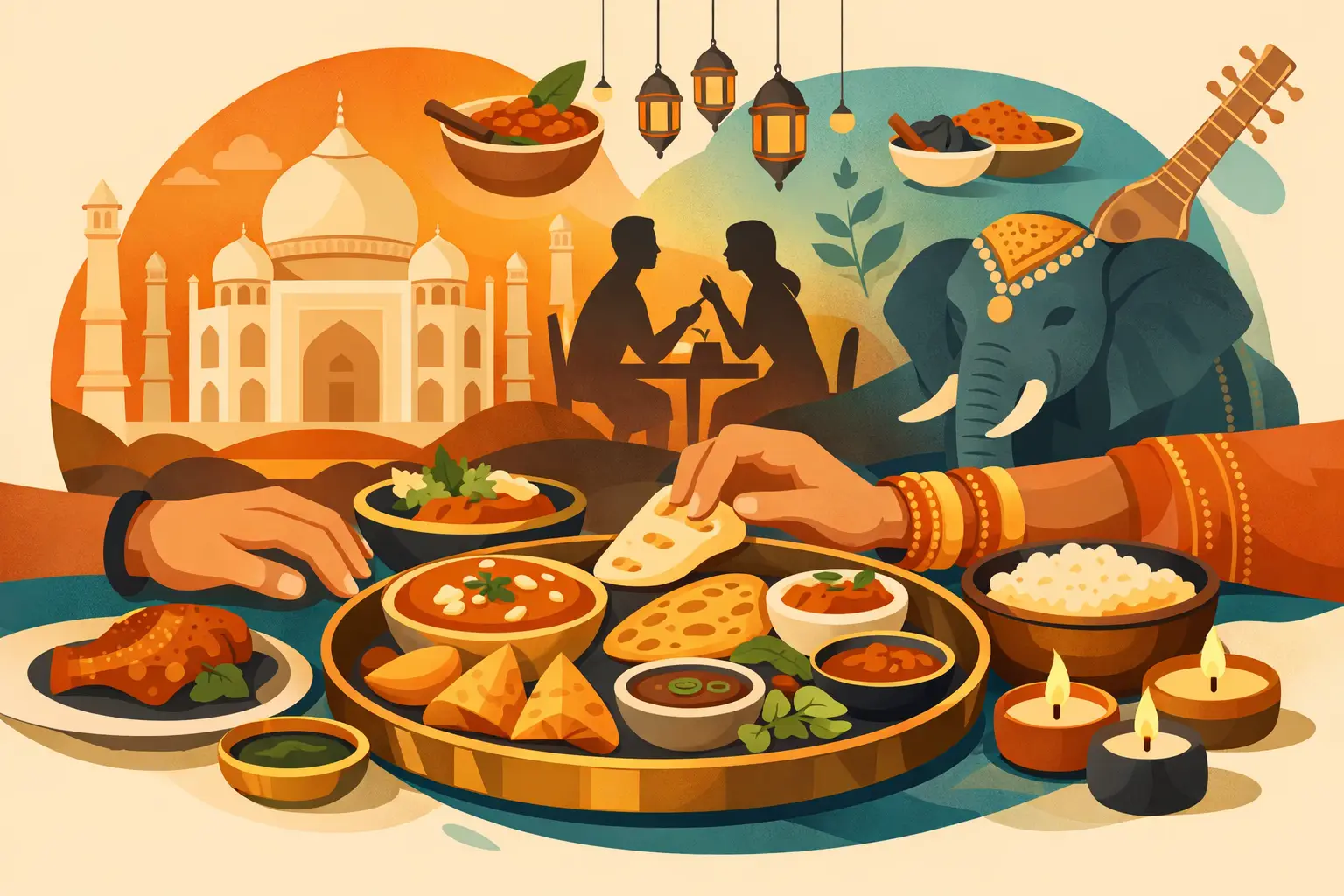
The best Indian dining experience begins before the first bite. It starts with the warm fragrance of toasted cumin and cardamom, the sound of a tandoori grill sizzling, and a table set for conversation rather than haste. Whether it is a relaxed midweek meal, a family celebration or a long-overdue catch-up with friends, Indian food has a wonderful way of turning dinner into an occasion.
At its heart, Indian dining is about generosity. Dishes arrive full of colour, spice and character, made to be passed around, sampled and enjoyed together. One person may reach for a rich curry, another for a smoky grilled kebab, while the table shares fresh naan, fragrant rice and all the little accompaniments that make every mouthful feel complete.
More Than a Meal, It Is Time Together
A memorable restaurant meal should give everyone permission to slow down. Indian cuisine lends itself naturally to that rhythm because there is no need for every guest to order the same thing. A table can hold a lively mix of sauces, textures and flavours: creamy korma beside a beautifully spiced madras, crisp samosas beside tender chicken tikka, cooling raita alongside a punchy pickle.
That variety makes Indian food especially welcoming for groups. Experienced diners can choose the deeper, warming heat of a vindaloo or a boldly spiced jalfrezi, while those new to the cuisine can start with gentler curries, tandoori dishes or a familiar combination of grilled meat, rice and naan. Children, grandparents, vegetarians and spice lovers can all find their place at the same table.
There is also something wonderfully social about sharing. Ordering a few dishes for the middle invites conversation: Which curry should we try first? Who is having the last piece of naan? Is that sauce as hot as it smells? These small moments are often what people remember long after the plates have been cleared.
The Flavours Behind an Indian Dining Experience
Indian cooking is often described as spicy, but spice is only part of the story. A well-prepared dish is about balance. Turmeric brings earthiness and colour, coriander can add brightness, cumin offers warmth, and cloves, cinnamon and cardamom create a deep, aromatic finish. Chillies may bring heat, but they should not drown out everything else.
This is why two curries that look similar can taste completely different. A tomato-based sauce may be gently sweet and buttery, while another may carry a sharper, tangier note from ginger, onion or fresh herbs. A slow-cooked lamb curry can feel rich and comforting, while a tandoori dish brings smoke, char and a livelier edge.
Freshness matters just as much as the spice blend. Garlic should be fragrant, onions should be cooked until sweet and golden, and herbs should lift a dish rather than simply decorate it. When seasonal local ingredients meet time-honoured Indian recipes, the result can feel both familiar and exciting – food with a strong sense of tradition, prepared for the table in front of you.
The theatre of the tandoor
Few things announce dinner quite like a sizzling tandoori platter. Marinated meat, fish or vegetables are cooked at high heat in a traditional clay oven, giving them a lightly charred exterior while keeping the centre tender and juicy. The aroma alone can make heads turn as the dish arrives.
Tandoori cooking also offers a useful choice for diners who want bold flavour without a heavy sauce. Chicken tikka, seekh kebabs or grilled paneer can be enjoyed with salad, rice, naan and chutneys, or paired with a curry for a more generous feast. It depends on your appetite and the occasion, but a grill dish is often the ideal centrepiece for a table that wants a little of everything.
How to Order With Confidence
There is no single correct way to enjoy Indian food, but a little balance makes the meal even better. If you are ordering for two, choosing one creamy dish and one tomato or onion-based curry gives you contrast. Add rice for softness, naan for scooping, and perhaps a starter to share while you settle in.
For a family meal or a larger group, aim for variety rather than ordering the same curry several times. A good spread might include a tandoori item, a mild curry, a medium-spiced curry, a vegetable dish and breads for the table. This gives everyone a choice and makes the meal feel generous without becoming overwhelming.
When deciding on spice, it helps to be honest about what you enjoy. Mild does not mean flavourless, and hot does not automatically mean better. A gently spiced dish can be every bit as aromatic and satisfying as a fiery one. If someone at the table loves heat, choose one hotter dish to share rather than making every plate a challenge.
Vegetarian diners should never feel like an afterthought. Indian cuisine has a long tradition of dishes built around lentils, chickpeas, vegetables and paneer. A well-made dhal, saag, chana or vegetable curry brings its own richness and character, whether it is enjoyed as a main meal or shared alongside grilled dishes and curries.
Dine In, Takeaway or Bring It Home
The setting changes, but the pleasure of Indian food travels well. Dining in is ideal when you want the full occasion: the welcome at the door, the aroma from the kitchen, hot dishes arriving at the table and time to linger over another naan or a dessert. It suits date nights, birthdays, family meals and evenings when cooking is the last thing anyone wants to think about.
Takeaway is its own kind of comfort. After a busy day at work, a freshly prepared curry and warm breads waiting to be collected can make an ordinary evening feel more generous. For home delivery, the simplest rule is to order dishes that hold their warmth and texture well, then set the table properly when they arrive. Plates, glasses, serving spoons and a few minutes away from screens can make a meal at home feel like a real treat.
For bigger occasions, Indian food is particularly well suited to sharing. It is flexible enough for a relaxed family gathering and celebratory enough for a party, with plenty of choices across different tastes and dietary preferences. At Maloti Indian Cuisine, that welcoming spirit is part of every service, from a table booked for a special evening to a generous order packed carefully for home.
The Details That Make Guests Feel Welcome
Great food matters, but hospitality is what gives a restaurant its heart. Being greeted warmly, having help with a menu, receiving generous portions and never feeling rushed all change the experience. The best service is attentive without interrupting the conversation, ready with a recommendation when needed and respectful of the fact that people have come to spend time together.
It also means making the menu approachable. Indian cuisine has extraordinary depth, but nobody should feel they need expert knowledge to order well. Ask about a dish, mention your preferred level of spice, or choose something familiar alongside something new. A welcoming restaurant will meet you where you are.
The next time you are choosing where to eat, let the meal be an excuse to gather. Order generously, share freely and leave room for one more spoonful of curry – the moments around the table are often the ones worth savouring most.