
Blog
Can Indian Food Be Mild? Full of Flavour Too

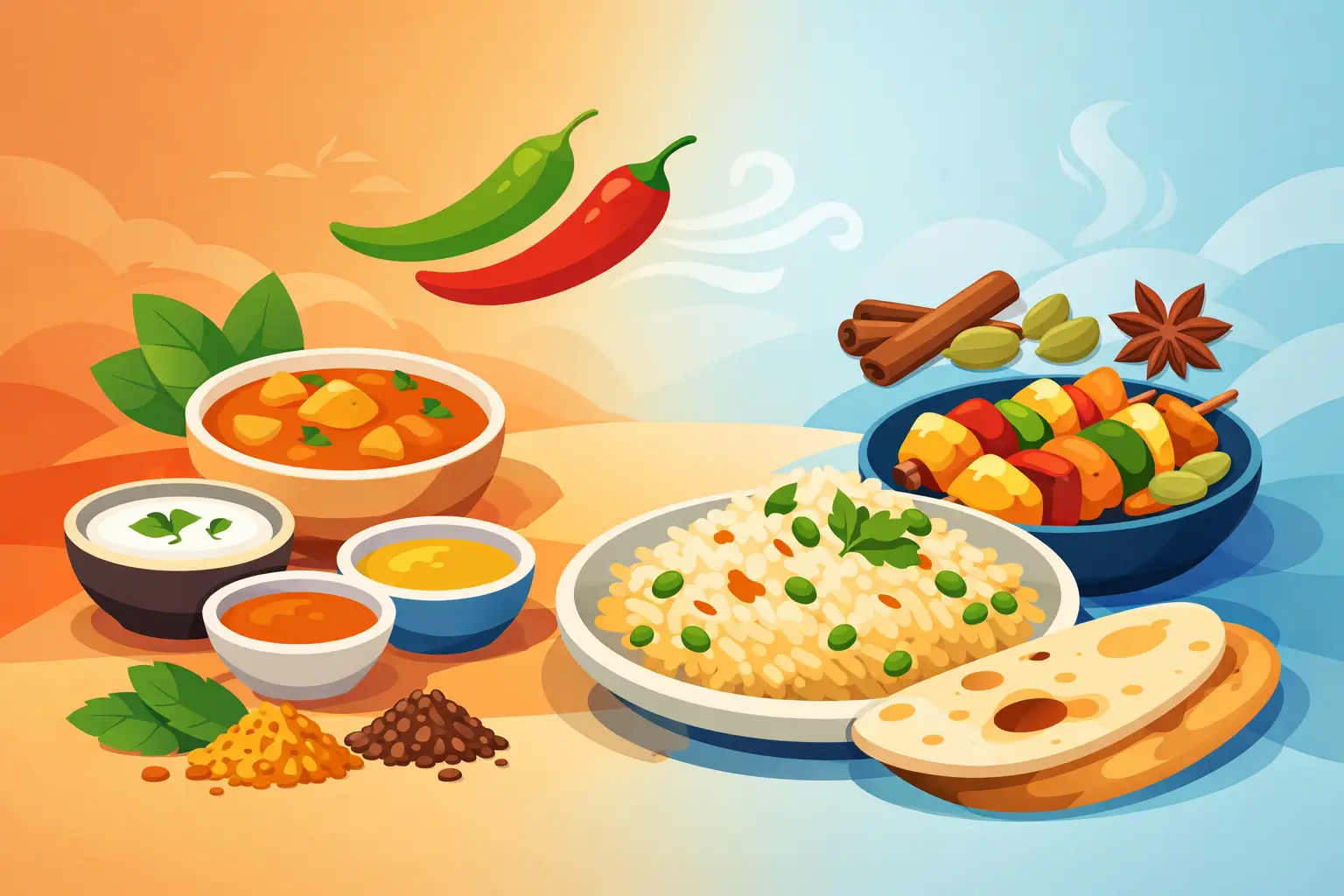
A shared curry night should not leave anyone watching from the sidelines with a glass of water. Whether you are introducing the children to Indian cooking, choosing a relaxed takeaway after work, or planning a table for friends with different tastes, the question is simple: can Indian food be mild? Absolutely. Mild Indian food can still be fragrant, colourful, deeply comforting and full of character.
The idea that every Indian dish must be fiery is one of the most persistent myths about the cuisine. India’s food traditions are wonderfully varied, shaped by regions, families, seasons and generations of cooking. Chilli has its place, but so do creamy sauces, toasted nuts, warming cardamom, fragrant cumin, tangy yoghurt and the gentle sweetness of onions cooked slowly until golden. A dish does not need intense heat to feel like an exceptional journey of taste.
Can Indian Food Be Mild Without Losing Flavour?
Yes, because spice and heat are not the same thing. Heat is the burning sensation created by chillies. Spice is the wider tapestry of flavour created by ingredients such as turmeric, coriander, ginger, cinnamon, cloves, fenugreek and garam masala. A skilled kitchen can turn down the chilli while preserving the aromas that make a curry memorable.
Think of a mild curry as a carefully balanced composition rather than a watered-down version of something else. Tomatoes can bring brightness; cream, coconut or ground nuts can add body; fresh herbs can lift the finished dish. The result may be gentle on the palate, but it can still have layers of flavour that unfold with every spoonful.
This is particularly helpful for diners who are new to Indian cuisine. Starting mild gives you room to notice the fragrance of the rice, the smokiness of tandoori cooking and the richness of a slow-simmered sauce. It is also a lovely way for families to share a meal together without ordering entirely separate cuisines.
What Makes a Dish Mild?
A mild dish is not always creamy, and a creamy dish is not always mild. The final level of heat depends on the recipe, the amount and type of chilli used, and how the dish is finished in the kitchen. Green chillies can bring a sharper, fresher heat, while chilli powder may build warmth through the sauce. Both can be reduced or omitted when a diner asks for a gentler meal.
Many Indian dishes are naturally suited to a mild approach. Korma-style curries are often rich and velvety, with a gentle sweetness from coconut, cream or nuts. Butter chicken-style dishes tend to have a smooth tomato-based sauce with rounded flavours. Tikka masala can also be prepared with a mild warmth, allowing the charred flavour of marinated chicken to come through.
Vegetarian choices can be especially welcoming for cautious diners. Lentils, paneer, chickpeas and seasonal vegetables absorb spices beautifully, and their natural earthiness pairs well with sauces that are aromatic rather than hot. Dal dishes, for example, can be nourishing and mellow while still carrying the warmth of cumin, garlic and turmeric.
Tandoori cooking offers another route into Indian food without a heavy chilli kick. Meat, fish, paneer or vegetables are marinated with yoghurt and spices, then cooked at high heat for that unmistakable smoky edge. The flavour comes from the marinade and the grill, not simply from heat. Served with rice, salad and a cooling yoghurt accompaniment, it makes a generous, satisfying meal.
How to Order a Mild Indian Meal With Confidence
The clearest approach is simply to say that you would like your dish mild. If you are very sensitive to chilli, say so. A good restaurant wants the meal to suit you, whether you are dining in, collecting a takeaway or settling in at home with delivery. Asking for mild is not a compromise or an apology. It is how you make sure the food is enjoyable from the first bite to the last.
It helps to describe what you mean by mild. Some diners are happy with a little background warmth but do not want obvious chilli heat. Others prefer no chilli at all. If you have dietary needs or allergies, mention these clearly too, especially where dairy, nuts or coconut may be part of a sauce. The kitchen can then help guide you towards a dish that feels right for your table.
When ordering for a group, choose a mix. One gentle curry, one medium-spiced option and a tandoori dish give everyone something to enjoy, while rice, naan and poppadoms make the meal feel generous and shared. This is one of the joys of Indian dining: it is built for passing plates, comparing flavours and finding a new favourite together.
At Maloti Indian Cuisine in Naas, the welcome matters as much as the meal. Tell the team your preferred spice level, and they can help make your experience feel relaxed, delicious and personal, whether it is a weekday takeaway or a celebration around the table.
The Best Sides for Gentle Heat
The right accompaniments can make even a lightly spiced dish feel softer and more balanced. Plain basmati rice gives rich sauces a fragrant, neutral base. Pilau rice brings more seasoning and colour, so it is ideal when you want flavour without extra heat. Fresh naan is perfect for scooping up creamy curries, while a plain variety keeps the overall meal gentle.
Cooling sides deserve their place on the table too. Yoghurt-based raita can temper warmth with its creamy freshness, particularly alongside grilled dishes. A crisp salad adds contrast, while chutneys can introduce sweet, tangy notes. Be aware that some pickles and chutneys can be surprisingly hot, so it is worth asking if you are avoiding chilli altogether.
There is a small trade-off to consider. Choosing mild does not mean every element on the table must be mild. A gentle main with a little zing from a side dish can be a delicious balance. But if your priority is a completely calm meal, choose plain rice, plain naan and yoghurt-based accompaniments, then save the hotter extras for another occasion.
Mild Does Not Mean Less Authentic
Authenticity in Indian cooking is not measured by how much heat a person can tolerate. It lives in the care taken with ingredients, the timing of spices, the patience behind a sauce and the hospitality of serving food people genuinely want to eat. A grandmother’s comforting lentils, a delicately spiced fish curry and a chilli-rich regional speciality can all be authentically Indian.
There is no single national spice level, either. Some regional cuisines use more coconut and tamarind, some favour mustard seeds and curry leaves, some celebrate dairy-rich gravies, and others are known for thrilling chilli heat. Indian food is a vast collection of culinary traditions, not one fixed rulebook. Choosing a mild dish is simply choosing one part of that generous landscape.
For regular curry lovers, a mild meal can also be a chance to slow down and taste differently. Without a rush of chilli, you may notice toasted cashews, sweet tomato, floral cardamom or the gentle smoke from the tandoor. For first-time diners, it can be the beginning of a happy habit: start mild, explore at your own pace, and let each shared meal bring a little more confidence.
The best Indian meal is not the hottest one on the table. It is the one that brings everyone closer, leaves room for another spoonful, and turns an ordinary evening into time well spent together.