
Blog
Indian Wedding Catering for a Joyful Kildare Feast

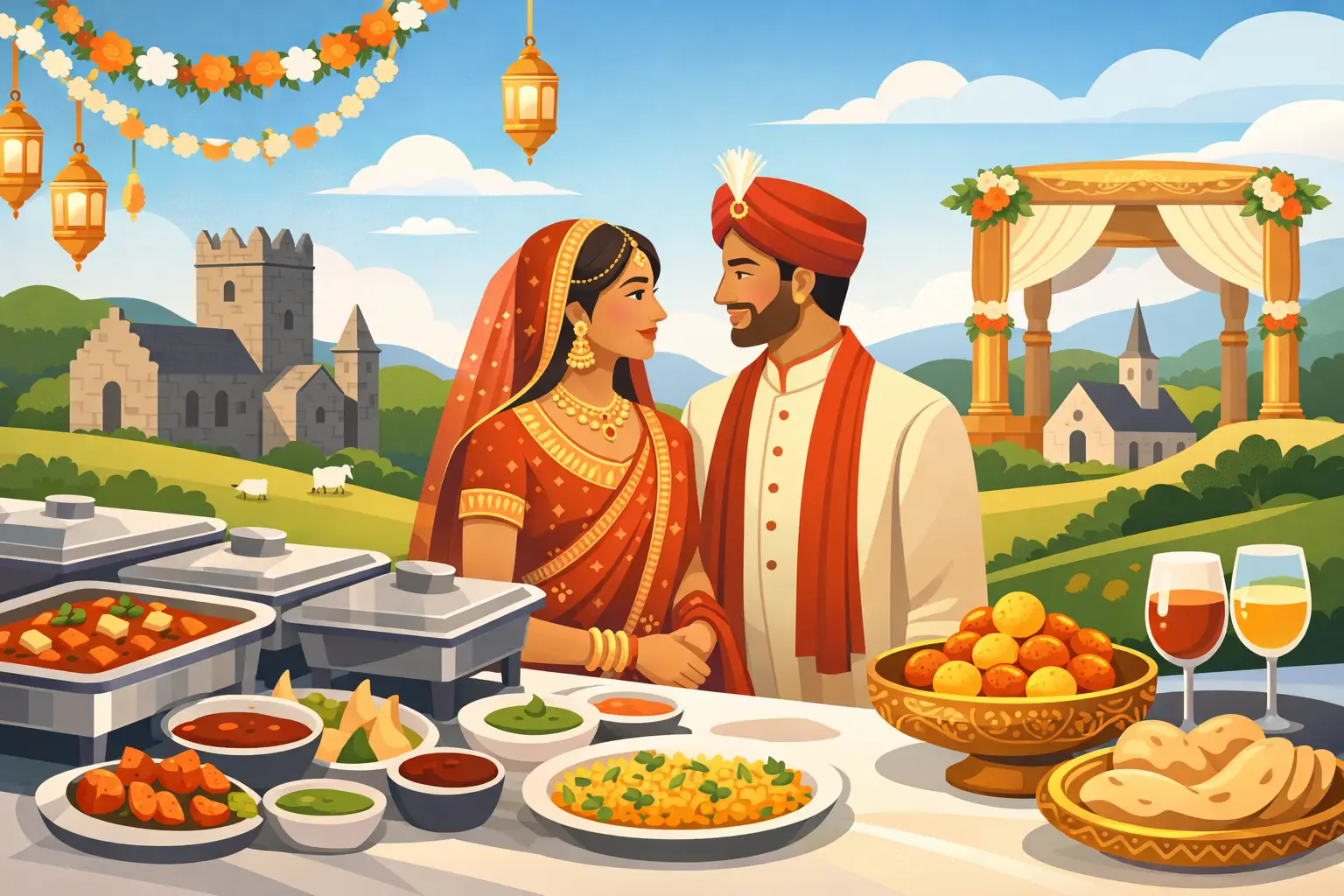
The first tray of fragrant starters arriving as guests gather can set the whole mood of a wedding. Warm tandoori aromas, crisp samosas and colourful chutneys invite people to talk, taste and linger. That is the real pleasure of Indian wedding catering: food becomes part of the welcome, bringing generations, families and friends around the same generous table.
For couples in Naas and across County Kildare, the best wedding meal is not simply an impressive menu. It is food that feels joyful, plentiful and personal, served at the right pace for a day already full of emotion. Indian cuisine is made for that kind of occasion – layered with spice, rich in variety and created to be shared.
Begin with the feeling you want guests to remember
Before choosing individual dishes, think about the experience. Do you picture a lively buffet where guests can return for another spoonful of curry and a warm naan? Would a refined plated meal suit the formality of your venue? Or are you planning a relaxed evening celebration with sharing platters, grills and dishes that encourage everyone onto the dance floor well fed?
There is no single right format. A buffet often offers the greatest choice and is especially welcoming for a mixed guest list, while plated service brings structure to a more formal reception. Family-style sharing can feel wonderfully intimate, though it needs enough table space and thoughtful timing. The guest count, venue facilities, schedule and budget all shape the best decision.
A good caterer will ask about more than numbers. They should want to know when guests arrive, whether there is a drinks reception, how long speeches will run, whether children are attending and what kind of atmosphere matters most to you. These details turn a collection of dishes into a celebration that flows naturally.
Build an Indian wedding catering menu with balance
A memorable Indian menu needs contrast. The gentle smokiness of food from the tandoor sits beautifully beside slow-cooked curries; cool yoghurt-based accompaniments give relief from warming spices; fragrant rice and freshly baked breads make every sauce worth enjoying to the last spoonful.
Start with a welcoming selection of canapés or starters. Vegetable samosas, onion bhajis and chicken tikka are familiar crowd-pleasers, but a wedding is also a lovely chance to introduce guests to something new. Lightly spiced fish, paneer cooked in the tandoor, or crisp seasonal vegetable dishes can add colour and variety without overwhelming the appetite before the main meal.
For the main course, aim for a mix of flavours rather than a table of dishes with the same richness or heat. One creamy, mellow curry can sit alongside a tomato-led favourite, a deeper slow-cooked lamb dish and a bright vegetable option. Tandoori chicken or grilled vegetables provide a different texture from saucy curries, while pilau rice, plain rice, naan and a fresh salad complete the table.
The food should be generous, but it does not need to be excessive in every direction. Two or three well-chosen mains, supported by satisfying sides and breads, can be more enjoyable than a very long menu where guests struggle to decide. Your caterer can help you judge quantities according to guest numbers, service style and the time of day.
Make vegetarian choices central, not secondary
Indian food is naturally generous to vegetarian guests. Paneer, lentils, chickpeas, aubergine, spinach and seasonal vegetables can be the heart of a dish, not an afterthought placed at the end of a menu.
Choose at least one substantial vegetarian main that everyone would happily eat, whether they are vegetarian or not. A beautifully spiced dal, a paneer curry or a slow-cooked vegetable dish brings depth to the menu and makes the table feel inclusive. Vegan, gluten-free and dairy-free needs can often be accommodated too, but they should be discussed early so preparation and service are properly planned.
Choose spice with confidence and care
A wedding menu does not have to be mild to please a broad crowd. Indian cooking offers far more than heat: cardamom, cumin, ginger, coriander, cinnamon and toasted spices all create aroma and depth. The most welcoming approach is usually to offer dishes with varied spice levels, clearly explained, alongside cooling raita, chutneys and salads.
If many guests are unfamiliar with Indian cuisine, keep the overall menu approachable and save the fierier flavours for a clearly marked dish or condiment. If your families love bold regional flavours, let that lead the conversation. It is your celebration, and the menu can honour heritage while still making every guest feel looked after.
Plan the service around the wedding day
Beautiful food can lose some of its magic if it arrives too early, too late or without enough space for guests to enjoy it. Work backwards from the moments that matter: the ceremony, photographs, speeches, first dance and evening arrivals. A well-timed starter or canapé service can keep guests comfortable while photographs are under way, while the main meal needs enough room in the schedule to be enjoyed without rushing.
Ask practical questions before confirming your caterer. Does the venue have suitable kitchen access? Is there room for a buffet station and for guests to move around it? Who provides serving equipment, crockery and staff? How will hot dishes be held at their best temperature? These are not the glamorous parts of planning, but they protect the experience you are spending so much care to create.
It is also wise to agree how dietary meals will be identified and delivered. Guests with allergies should never have to guess which dish is for them. Give your caterer a final, clearly organised list well ahead of the day, and tell them about serious allergies directly. Good hospitality is often found in these quiet details.
Give the menu a personal signature
The most meaningful wedding food has a story behind it. Perhaps there is a curry that reminds one family of Sunday lunches, a favourite street-food starter discovered together, or a dessert that belongs at every celebration. Including one or two personal dishes makes the meal feel like yours rather than a standard package.
You may also want to consider an evening-food moment. After dancing, guests rarely turn down hot, comforting bites. Mini naan wraps, savoury snacks or a simple late-night curry station can bring fresh energy to the room and make sure those who arrived later feel included in the feast.
Dessert deserves its own little celebration too. Traditional Indian sweets, creamy kulfi, or a pairing of familiar desserts with fragrant Indian flavours can offer a memorable final taste. The best choice depends on the season, the wedding cake and how formal the rest of the meal feels. A summer garden reception may call for something cool and light; a winter celebration can carry richer, warmer flavours beautifully.
Arrange a tasting with a clear purpose
A tasting is not only about deciding which dish is your favourite. It is your chance to see whether the menu works as a whole. Taste a starter, mains, sides and accompaniments together. Notice the balance of spice, texture and richness. Consider what will suit grandparents, children, adventurous food lovers and guests who may be trying Indian food for the first time.
Bring a short list of priorities: your non-negotiable dishes, dietary requirements, likely guest numbers and any family traditions you want represented. Be honest about your budget too. A thoughtful caterer can often suggest changes that preserve the warmth and flavour of the menu while keeping the plan realistic.
At Maloti Indian Cuisine, celebrations are approached in the spirit they deserve: with time-honoured recipes, fresh spices, generous portions and a welcome that feels personal. Whether you are planning an intimate gathering or a larger Kildare wedding, begin the conversation early so the food, service and timing can be shaped around your day.
When the last plates are cleared, guests may not remember every flower or place setting. They will remember being welcomed, being well fed and sharing something delicious with the people they love. Choose food that invites that feeling, then leave plenty of room at the table for one more naan and one more story.