
Blog
How to Choose Curry for Every Kind of Meal

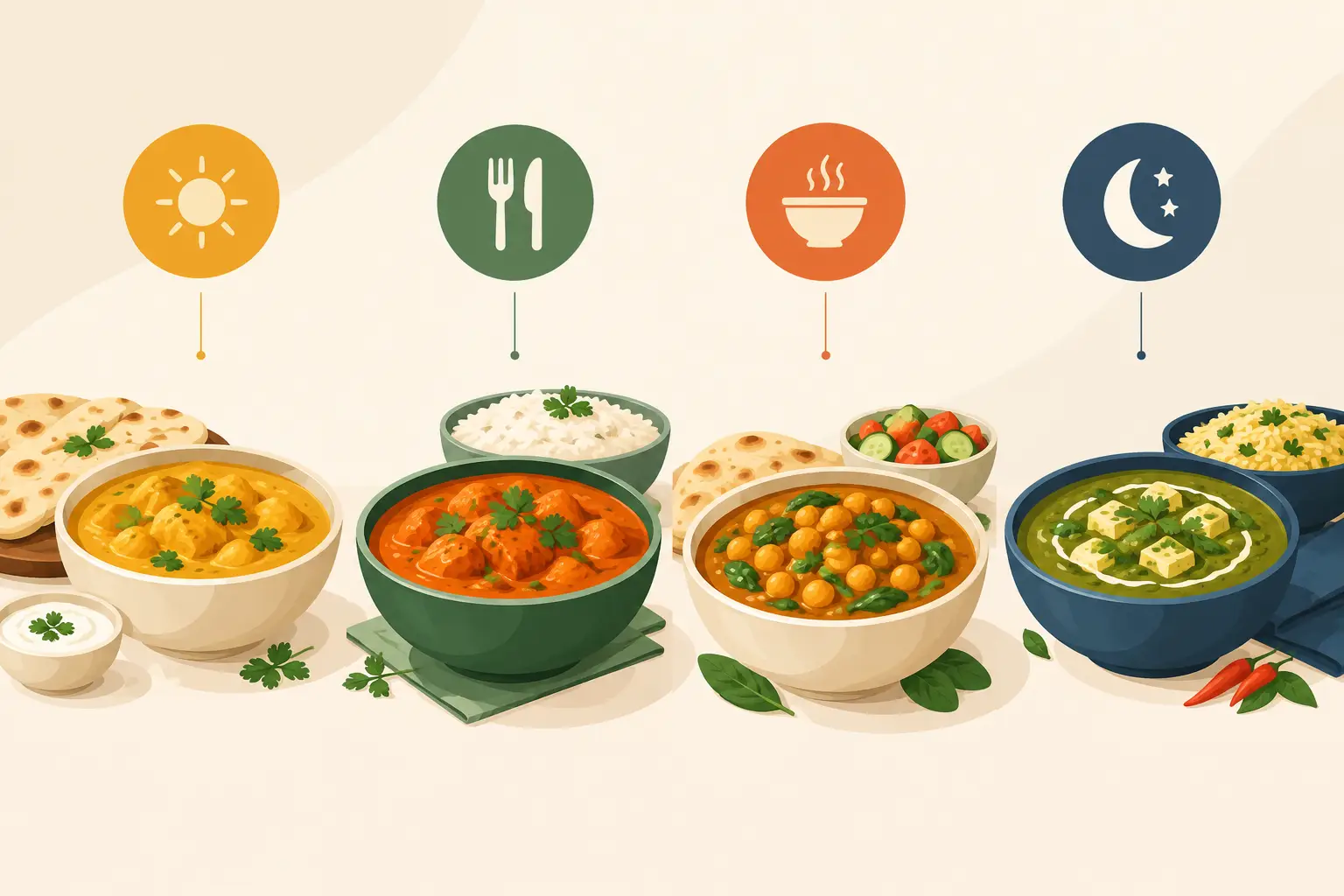
A curry should suit more than your appetite. It should match the evening you are having, the people around your table and the flavours you are in the mood to savour. Knowing how to choose curry turns a familiar menu into an exceptional journey of taste – whether you are settling in with a quiet takeaway in Naas or choosing dishes for a lively family gathering.
The best choice is rarely about picking the hottest dish or ordering what everyone else has. Start with the flavours and textures you enjoy, then let the occasion guide you. Indian cooking offers extraordinary variety: gentle coconut richness, smoky tandoori spice, fragrant tomato sauces, bright herbs and slow-building chilli warmth all have their place.
How to choose curry by flavour, not just heat
Many people look first for a spice rating. That is useful, but heat is only one part of a curry’s character. A beautifully prepared curry balances spice with sweetness, acidity, creaminess and aroma. Two dishes can have the same chilli level yet taste completely different.
If you enjoy mellow, comforting flavours, look for curries with a creamy or gently sweet profile. Korma-style dishes often bring together nuts, cream or coconut with delicate spices. They are wonderfully soothing and a welcoming place to begin if you are new to Indian food or sharing with younger diners. Butter chicken is another familiar favourite, pairing tender chicken with a silky tomato and butter sauce that feels generous without being overpowering.
For something richer and more savoury, choose a tomato-based curry with warming spices. Tikka masala is loved for its rounded, crowd-pleasing flavour, while a balti-style dish can offer a more lively, fragrant sauce. These are excellent choices when you want warmth and depth but do not want the meal to be ruled by chilli.
If you prefer bolder, earthier flavours, a madras or vindaloo may be closer to your taste. These dishes bring real heat, often balanced by tangy tomato, vinegar or deep roasted spices. They are made for diners who enjoy a curry that lingers. The trade-off is simple: intense chilli can make subtle side dishes harder to notice, so pair these curries with cooling yoghurt, rice or soft naan.
Think about the protein or vegetable first
The sauce matters, but the ingredient at its heart changes the experience. Chicken is versatile and absorbs gentle, creamy sauces as readily as punchier spice blends. Lamb suits slower, fuller flavours particularly well, with its richness standing up beautifully to a robust curry. Prawns work best when the sauce lets their natural sweetness shine, often with fresh herbs, tomato or coconut.
Vegetable curries deserve just as much attention. A well-spiced mix of seasonal vegetables can feel bright and satisfying rather than heavy, especially when you are looking for a lighter meal. Paneer brings a soft, milky richness and is a fine choice for vegetarians who want a more substantial bite. Lentil dishes offer another kind of comfort: wholesome, warmly spiced and ideal alongside rice, chapati or a tandoori dish.
For a table with different preferences, choose contrast rather than several versions of the same dish. A creamy chicken curry, a vegetable dish with fresh spice and one fuller, hotter option give everyone something to enjoy. Sharing this way also lets you taste the breadth of Indian cooking, from gentle fragrance to deep, satisfying warmth.
Choose your curry for the occasion
A midweek meal after work may call for uncomplicated comfort. A creamy curry, pilau rice and naan can make an ordinary evening feel properly looked after. If you are ordering delivery, consider dishes that travel especially well: slow-cooked sauces, tikka dishes and lentil curries hold their warmth and flavour beautifully on the journey home.
For a date night or dinner out, choose a dish with a little theatre. Sizzling tandoori grills bring smoky aroma and a celebratory feel to the table. Pair one with a curry that complements rather than competes – perhaps a fragrant sauce with rice and a fresh side. The contrast between charred, spiced grilled meat and a richly layered curry makes every mouthful feel considered.
A family meal is often about flexibility. Select one mild dish, one medium-spiced choice and sides that everyone can share. Plain rice, naan, poppadoms and cooling raita give children and cautious diners familiar ways into the meal, while those who enjoy more spice can add pickles or choose a hotter curry. There is no need for everyone to order the same thing for the meal to feel together.
For celebrations, be generous with variety. Curries are at their most joyful when dishes arrive in the centre of the table, their colours and aromas inviting everyone to try a little of everything. Include a tandoori starter or grill, a creamy curry, a vegetable option, a bolder dish and plenty of breads and rice. It creates the kind of feast where conversation carries on long after the plates have been cleared.
Let your spice comfort lead the way
There is no prize for ordering hotter than you enjoy. The right spice level is the one that lets you taste the cardamom, cumin, coriander, ginger and garlic beneath the chilli. If you are unsure, begin at mild or medium and build confidence over time. Your next curry can always be a little more adventurous.
It also helps to remember that heat is personal. One diner may find a medium curry pleasantly warming, while another may need a cold drink and a side of raita. If you are ordering for a group, ask everyone where they sit on the mild-to-hot scale before choosing. A selection across the range is more welcoming than a table full of dishes only a few people can eat.
If a curry arrives hotter than expected, do not reach immediately for water. Rice, naan and yoghurt-based sides are better companions for chilli heat. Their soft, cooling flavours give your palate a break without taking away from the curry itself.
Build the plate with the right sides
A curry becomes a complete meal through its accompaniments. Fragrant basmati rice is ideal for saucier curries, catching every last spoonful of flavour. Pilau rice adds gentle spice and colour, while plain rice offers a calm counterpoint to a fiery dish.
Naan is more than a side. It is a warm, pillowy way to scoop up thick sauces and savour the final bite. Choose a simple naan when the curry is already richly flavoured, or bring in garlic, coriander or peshwari naan when you want another layer of character. Chapati offers a lighter option and is particularly good with lentils and vegetable curries.
Do not overlook fresh, sharp accompaniments. Raita cools the palate, while onion salad, chutneys and pickles can bring sweetness, tang or a quick spark of heat. These smaller elements keep a rich meal from feeling one-note.
A simple way to order with confidence
When you are faced with a menu full of tempting names, make the decision in this order: choose your preferred heat, pick the sauce style you are craving, then decide on the protein or vegetable. Finally, add rice or bread and one cooling or fresh side. It is an easy approach that works whether you know exactly what you like or are trying something new.
At Maloti Indian Cuisine, every curry is an invitation to slow down, share generously and enjoy food crafted with love and tradition. Choose the dish that suits your mood, gather the people you enjoy most and let the aromas do the rest.