
Blog
Mild Versus Hot Curries: Find Your Perfect Heat

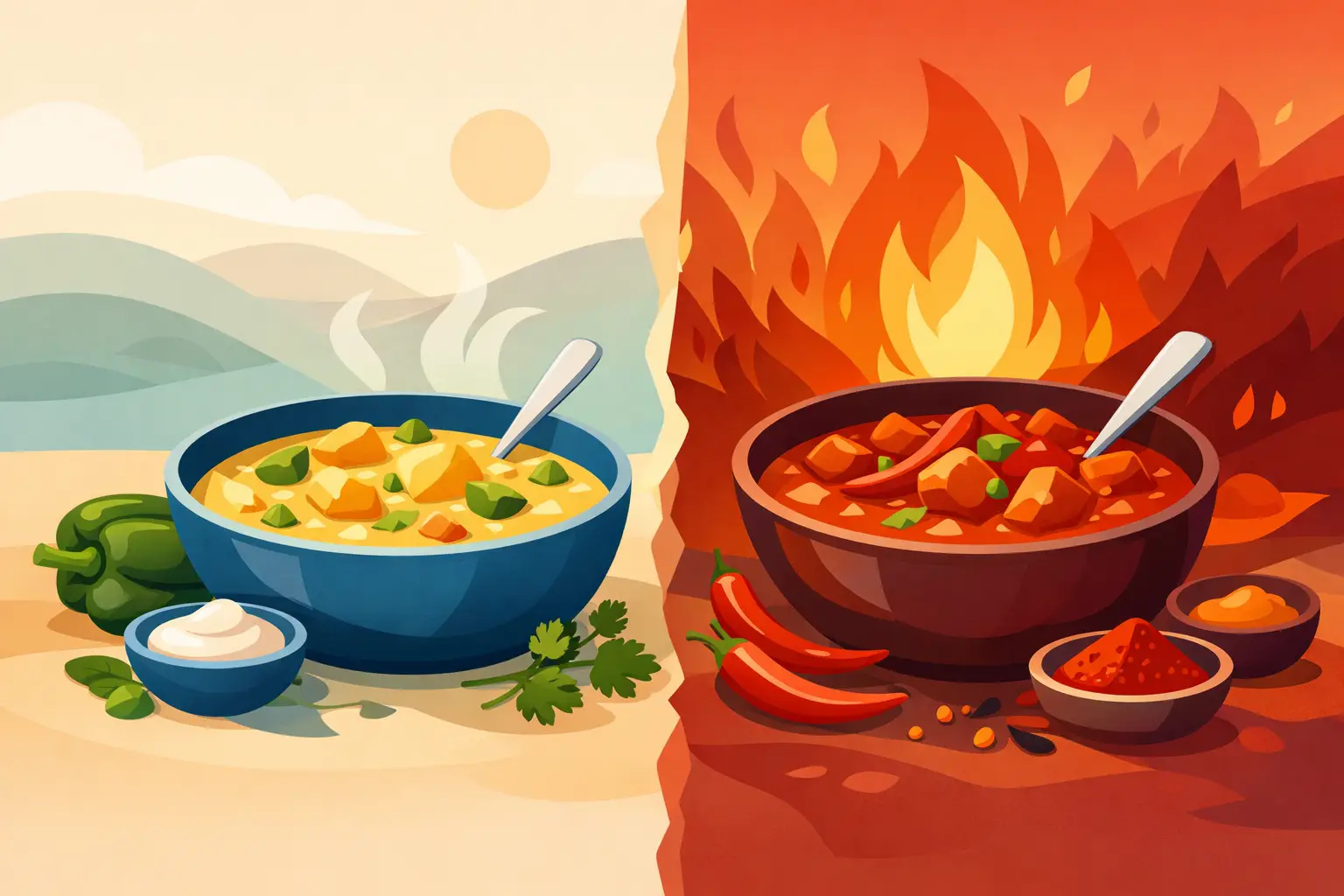
The first spoonful tells you more than a menu label ever can. A gentle curry can arrive fragrant with cardamom, cumin and warm tomato, while a hotter dish may build slowly from the back of the tongue into a glorious, warming glow. When choosing between mild versus hot curries, the best choice is not about proving how much heat you can handle. It is about finding the flavours that make your meal feel made for you.
At a shared table, that choice matters even more. One person may want a creamy, comforting curry after a long day, while another is looking for the lively kick that makes every mouthful feel electric. Indian cooking makes room for both, with a remarkable spectrum of spice, aroma and warmth to enjoy.
Mild versus hot curries: heat is only part of the story
People often use spicy and hot as though they mean the same thing. In a well-prepared Indian curry, they do not. Spice is the layered character created by ingredients such as turmeric, coriander, cumin, ginger, garlic, cloves and cinnamon. Heat is the fiery sensation that comes from chilli.
A curry can be deeply spiced without being hot. In fact, many of the most memorable mild dishes are rich with flavour because their fragrant spices have room to shine. A creamy sauce may carry toasted almonds, coconut, fenugreek or a gentle sweetness from onions and tomatoes. The result is not plain food with the chilli removed. It is a carefully balanced dish with its own warmth, colour and personality.
Hot curries bring another kind of pleasure. Chilli can brighten a rich sauce, cut through the smokiness of tandoori cooking and leave a satisfying warmth that lingers between bites. But heat should support the dish, not flatten everything around it. If all you can taste is chilli, you miss the full journey of flavour.
What makes a curry mild, medium or hot?
There is no single universal measure of curry heat. Recipes vary across regions, kitchens and even the seasonality of fresh chillies. One restaurant’s medium may feel pleasantly warming to one guest and decidedly hot to another. That is why it helps to think about your own preference rather than treating a heat label as a challenge.
Mild curries usually rely on aromatic spices, yoghurt, cream, coconut or ground nuts to create a rounded and soothing finish. They may still contain a little chilli, but it is used with restraint. Medium curries tend to offer a clearer chilli presence while keeping the sauce balanced and approachable. Hot curries bring chilli forward, often alongside bold garlic, ginger, pepper and tangy tomato or onion bases.
The main point is simple: a mild dish is not a lesser version of a hot one. It is a different expression of the same generous culinary tradition.
The ingredients behind the warmth
Chillies do more than raise the temperature. Different varieties can taste fruity, earthy, smoky or sharp, and dried chillies behave differently from fresh ones. Ginger and black pepper also create warmth, though it feels different from the direct fire of chilli. Meanwhile, yoghurt, cream, butter, coconut and nuts can soften the perception of heat without erasing the curry’s spice.
That balance is why a curry may taste wonderfully warming rather than aggressively hot. The sauce, protein or vegetables, cooking method and accompanying sides all influence what you experience on the palate.
Choosing a mild curry without missing out
If you are new to Indian food, ordering for children, or simply in the mood for comfort, mild curries can be a brilliant place to begin. Look for dishes described as creamy, buttery, coconut-based, nutty or gently spiced. These styles often pair beautifully with chicken, vegetables or paneer, allowing the ingredients to stay tender and full of flavour.
A mild curry also works particularly well when the table includes a sizzling tandoori starter or a richly seasoned side dish. The contrast keeps the meal varied. A cool, fragrant curry beside smoky grilled meat, fresh naan and fluffy rice turns dinner into something everyone can share with ease.
Do not be afraid to ask for guidance. A friendly restaurant team can help you choose a dish that suits your palate, whether you want no noticeable heat or simply a gentle glow. At Maloti Indian Cuisine, that welcome is part of the experience: food crafted with love and tradition should feel accessible from the first order to the final spoonful.
When a hot curry is the right choice
A hot curry suits diners who enjoy a clear chilli kick and want flavour with more intensity. It can be particularly satisfying on a cool evening, when the warmth of ginger, garlic and chilli feels almost celebratory. Hot dishes also stand up well to bold accompaniments, from charred tandoori flavours to pickles and crisp onion salad.
Still, choosing hot is not always the same as choosing the hottest option available. A curry with a medium-to-hot level may offer more detail and balance than a dish pushed to its limit. If you know you enjoy spice but do not want to overpower your meal, this middle ground is often ideal.
For experienced chilli lovers, a hotter curry can be a wonderful centrepiece. Order it with rice or bread to catch every last drop of sauce, and consider adding a cooling side to reset the palate between mouthfuls. The aim is to enjoy the heat, not endure it.
How to build a table that suits everyone
Ordering for a couple, family or group does not mean everyone must choose the same heat level. In fact, sharing different curries is one of the best ways to enjoy an Indian meal. A mild, creamy dish can sit beside a brighter, hotter curry, with rice, naan and sides bringing the table together.
If children are joining you, a mild main is usually the safest starting point, especially alongside plain rice or naan. Adults who prefer more heat can choose a hotter curry or add a chilli-led side. This approach keeps the meal relaxed and generous rather than making anyone compromise.
For a takeaway night at home, think about timing as well as taste. Rich mild curries travel beautifully and tend to feel just as comforting once you are settled at the table. Hot curries can seem a touch fiercer after resting in their containers, as the spices continue to mingle. If you are unsure, choosing slightly below your usual heat level is sensible – you can always add a little extra chilli, but you cannot take it away.
Balance your curry with the right sides
Rice and naan are not merely filling additions. They change how a curry tastes. Basmati rice offers a light, fragrant base that softens a fiery sauce, while naan is ideal for scooping up creamy curries and savoury gravies. Yoghurt-based accompaniments can cool the palate, and a fresh salad brings welcome crispness to richer dishes.
A cold drink may help with chilli, but it is the dairy, bread and rice on the table that usually provide the most satisfying relief. When a curry is genuinely hot, take smaller bites and alternate with your sides. You will taste more of the sauce and enjoy the meal for longer.
Trust your own taste, not the heat scale
There is no prize for ordering beyond your comfort zone, and there is no need to apologise for choosing mild. Your perfect curry might be silky, aromatic and barely fiery, or it might carry a bold, slow-building warmth. It may even change from one visit to the next.
That is the pleasure of mild versus hot curries: there is always another combination of flavour to share. Choose what feels right for the moment, gather the people you enjoy most, and let the warmth at the table do the rest.