
Blog
A Guide to Dining With Allergies at Indian Restaurants

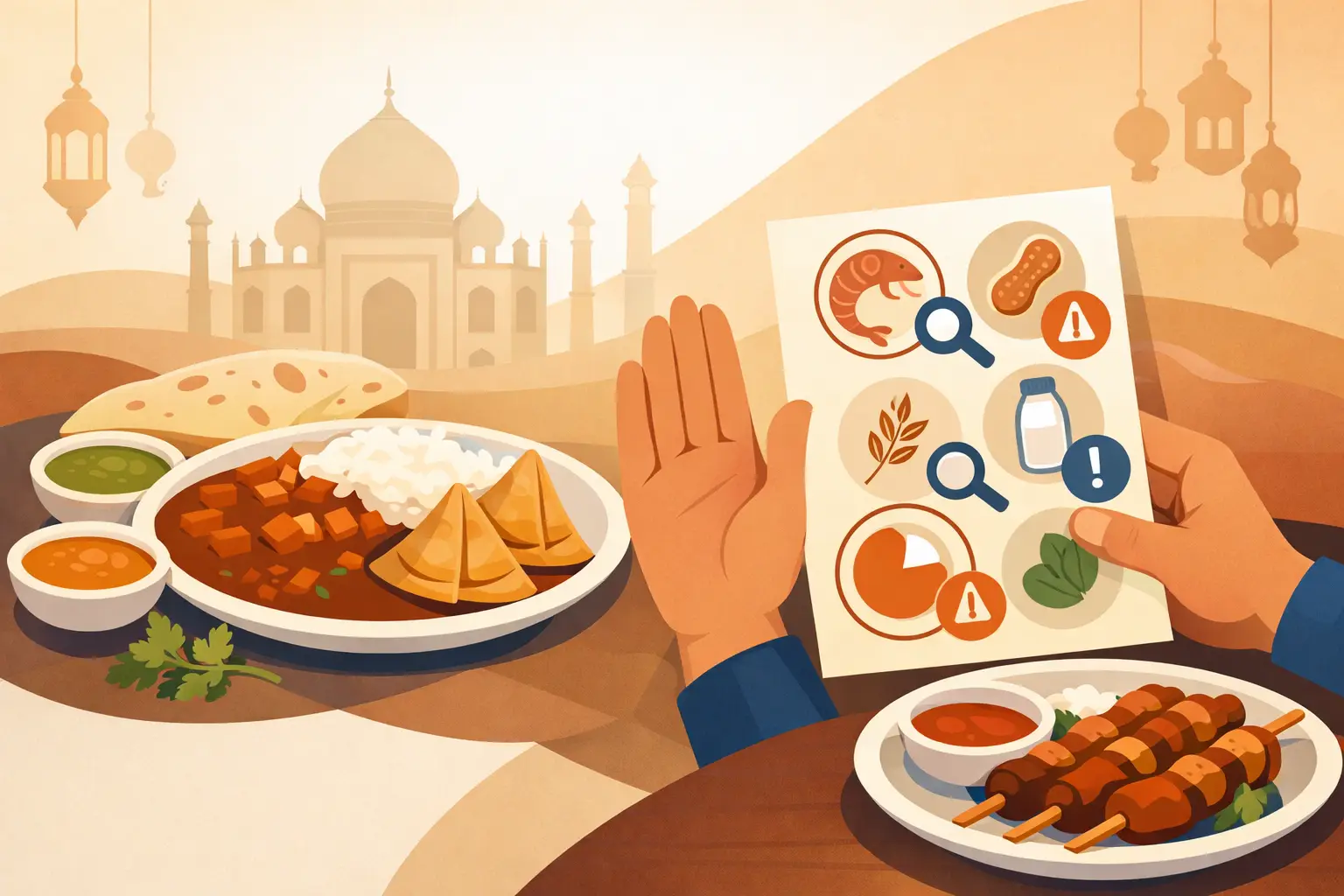
The pleasure of a shared curry should begin with anticipation – the fragrance of toasted spices, warm naan at the table and the easy conversation that follows – not uncertainty about what is in your meal. This guide to dining with allergies is designed to help you prepare for a relaxed, enjoyable restaurant experience while making informed choices that suit your needs.
Food allergies vary greatly in severity, as do restaurant kitchens, menus and recipes. There is no single rule that makes every dish safe. Clear communication, sensible planning and a willingness to ask direct questions are the most reliable ingredients for eating out with greater confidence.
Start the conversation before you arrive
If you have a food allergy, letting the restaurant know before your visit is often the best first step. This is particularly helpful for a family meal, a celebration or a larger booking, when the kitchen may need time to advise on dishes and preparation. A quick call when reserving, or a clear note with a takeaway or delivery order, gives the team a chance to understand what you need.
Be specific. Saying that you have an allergy is useful, but naming the allergen and explaining the level of risk is far more helpful. Tell the restaurant whether the allergy is to peanuts, tree nuts, milk, eggs, gluten-containing cereals, sesame, soya, crustaceans or another ingredient. If cross-contact is a serious concern, say so plainly.
It can also help to mention whether you are ordering for a child. Parents naturally want reassurance, and a clear conversation before the food is prepared makes the occasion feel less stressful for everyone at the table.
Ask about ingredients and preparation
A menu description can give you a flavour of a dish, but it cannot always tell the full story of how it is made. Indian cooking is wonderfully diverse, with recipes built through layers of spice, fresh herbs, marinades, sauces and accompaniments. That is part of its magic, but it also means allergens can appear in places diners might not expect.
Cream, yoghurt, butter and ghee may feature in rich curries and marinades. Ground nuts or nut pastes can add body to selected sauces. Wheat may be present in breads, batters and some prepared ingredients, while sesame can appear in garnishes or breads. A dish that looks simple is not automatically free from an allergen, and a dish that sounds familiar may be prepared differently from one restaurant to another.
When you speak to a member of staff, ask two separate questions: does the dish contain your allergen, and can it be prepared in a way that manages cross-contact? Both matter. Shared fryers, grills, chopping boards, utensils and storage areas may affect what is possible, especially during busy service.
The most useful questions are calm and precise. You might ask whether the sauce contains dairy or nuts, whether bread is made with wheat, or whether a particular dish shares equipment with foods containing your allergen. Staff should never guess. If an answer is uncertain, it is sensible to choose another option or avoid the dish.
A guide to dining with allergies: the details matter
For diners with allergies, small details can make a meaningful difference. Rice may seem like an obvious choice, yet flavoured rice can include butter or other ingredients. A tandoori dish may be marinated with yoghurt. Chutneys, pickles and dips deserve the same careful questions as the main course.
This does not mean Indian food needs to feel complicated or off-limits. It means choosing with awareness. Many Indian menus offer a generous range of dishes, from grilled meats and vegetable sides to aromatic curries and rice-based options. The right choice depends on your individual allergy, the recipe and what the kitchen can safely accommodate that day.
Avoid relying on broad assumptions such as “spicy means dairy-free” or “vegetarian means nut-free”. These labels describe part of a dish, not every ingredient in it. Equally, do not feel embarrassed about asking questions twice. A welcoming restaurant will understand that you are looking after your health, not creating a fuss.
Make takeaway and delivery orders just as clear
Ordering food at home can be wonderfully convenient – a piece of India delivered to your doorstep for a quiet Friday evening or a family gathering. But allergies still require the same care as dining in. Use the order notes to state the allergen clearly, then contact the restaurant directly if the order is complex or the allergy is severe.
Do not assume that removing a visible topping removes the risk. If a sauce, marinade or garnish contains an allergen, the dish may need a different preparation rather than a last-minute adjustment. Ask whether the requested change can be made safely before placing the order.
When the meal arrives, check that it is labelled or identifiable before serving it. If you are sharing several dishes, keep the allergy-aware meal separate from spoons, breads and sauces that others are using. At home, cross-contact can happen at the table just as easily as it can in a kitchen.
Be ready to make a different choice
The ideal outcome is a delicious meal that everyone can share with ease. Sometimes, though, a restaurant may tell you that it cannot safely accommodate a particular allergy. That can be disappointing, especially when you have planned a meal out, but it is also responsible and honest.
An allergy-aware dining plan works best when you have a second choice in mind. Rather than becoming attached to one particular curry or starter, identify a few dishes you would enjoy and ask about each of them. Flexibility leaves room for the kitchen to guide you towards an option that is more suitable.
If you carry prescribed medication, bring it with you whenever you eat out. This is a personal safety measure, not a substitute for checking ingredients or preparation. People with severe allergies should follow the medical advice given to them by their clinician, including any advice on when to use emergency medication and seek urgent help.
Bring the whole table into the conversation
Dining together is one of life’s simplest celebrations. Whether it is a midweek supper, a birthday toast or a long-overdue catch-up, a little thought from fellow diners can make the experience warmer for someone managing an allergy.
If you are eating with a guest who has an allergy, let them speak for themselves, but support their questions. Avoid swapping cutlery between dishes, passing a shared spoon from one bowl to another or encouraging them to “just try a little”. Food is meant to bring people together, and respect at the table is part of good hospitality.
For families, it may be useful to agree what the child can eat before ordering. This prevents a moment of disappointment when colourful dishes arrive and everyone wants a taste. Choosing a few suitable items for the table can still create that lovely sense of sharing without putting safety aside.
Choosing a restaurant with confidence
Look for a restaurant that takes questions seriously, listens carefully and communicates honestly. Warm service is not simply about a friendly welcome. It is also about being clear when a request can be accommodated and candid when it cannot.
At Maloti Indian Cuisine, every meal is prepared with care, from sizzling tandoori favourites to fragrant curries crafted with love and tradition. If you have an allergy, contact the team before ordering or booking so they can discuss your requirements and advise you appropriately. Recipes and kitchen procedures can change, so the most up-to-date conversation should always happen directly with the restaurant.
A meal out should leave room for flavour, connection and celebration. Ask the questions you need, give the kitchen the information it needs, and let good hospitality help make your place at the table feel truly comfortable.