
Blog
How to Order Allergen-Safe Curries with Care

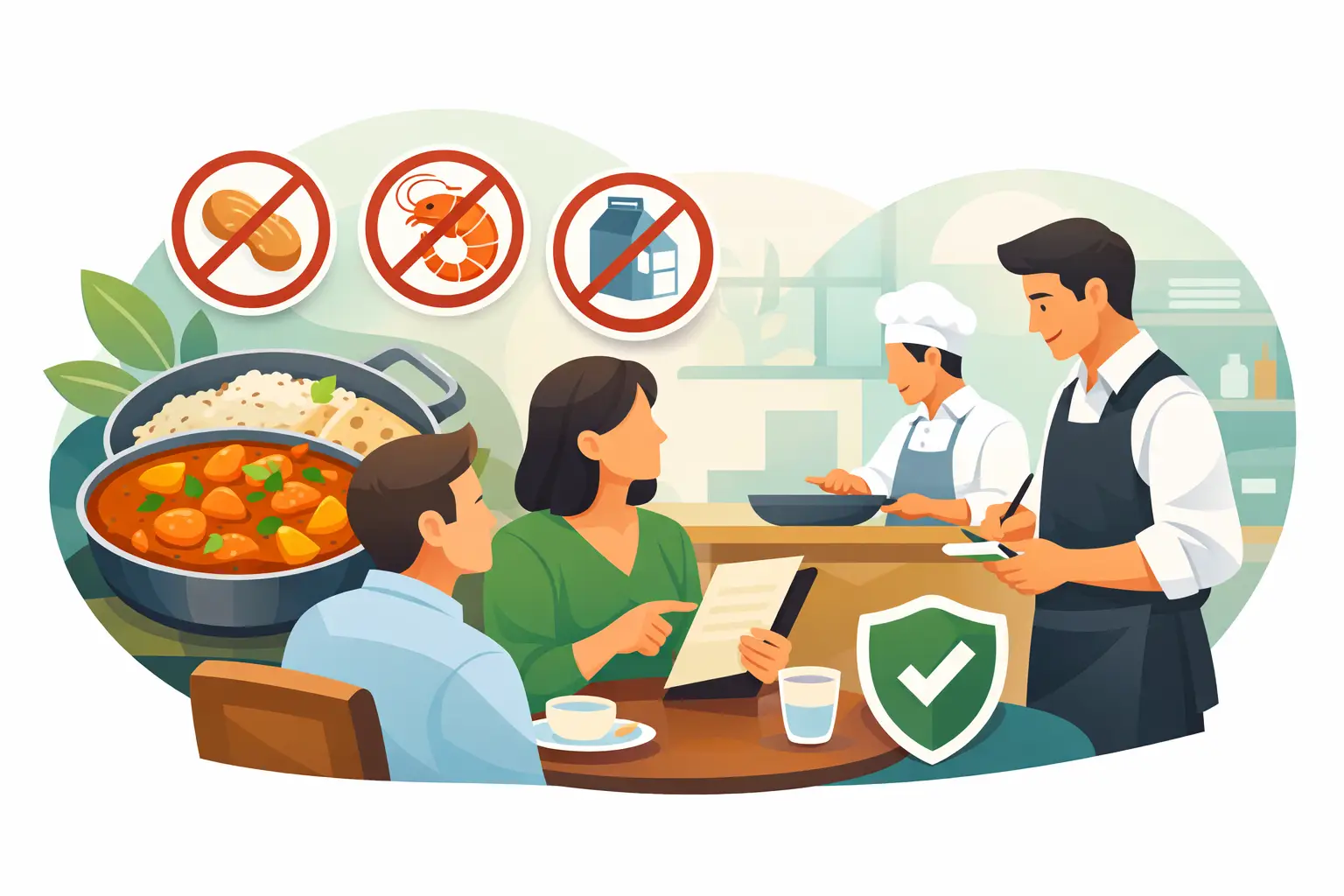
A fragrant curry shared around the table should feel like a treat, not a guessing game. If you or someone you are ordering for has a food allergy, knowing how to order allergen-safe curries starts before you choose between a creamy korma and a warming madras. The most helpful thing you can do is make the allergy clear, early, and in specific terms – then give the restaurant the chance to guide you towards dishes they can prepare safely.
Indian cooking brings together layers of spice, herbs, yoghurt, nuts, butter, wheat and carefully made sauces. That is part of its magic, but it also means ingredients are not always obvious from a dish name alone. A thoughtful conversation helps protect the person eating and lets everyone settle in to enjoy the occasion.
Start with the allergy, not the dish
When booking a table, ordering by phone, or writing a note for collection or delivery, name the allergen directly. Say, for example, “This is for someone with a peanut allergy”, rather than “no nuts please”. If the allergy is severe, say so. Restaurants need to know whether even a small amount, or contact with a shared utensil or work surface, could cause a reaction.
Be precise about the ingredient that must be avoided. “Dairy” and “lactose” are not always the same request. A gluten-free requirement is different from simply avoiding bread. Shellfish, fish, sesame, mustard, celery, soya and sulphites can also appear in ingredients or garnishes that may not be immediately visible on the menu.
If the meal is for a child, it is worth repeating the allergy when the order arrives. This is not being difficult. It is a sensible final check before a family supper, a birthday meal or a relaxed Friday night takeaway.
Ask the questions that make a real difference
A menu allergen guide is a useful place to begin, but it cannot replace a conversation where the allergy is serious. Recipes can vary, and a dish that looks simple can contain an ingredient in its base sauce, marinade, garnish or accompanying chutney.
Ask whether the dish contains your allergen, whether it can be left out or substituted, and whether the kitchen can take precautions to avoid cross-contact. Cross-contact happens when an allergen is transferred accidentally through a pan, ladle, chopping board, fryer, grill, storage container or pair of gloves. It is particularly relevant in busy kitchens preparing many dishes side by side.
A clear request might sound like this: “I have a severe cashew allergy. Can you tell me which curry is suitable, whether the sauce is made without cashews or other nuts, and whether it can be prepared to avoid cross-contact?” That gives the team the information they need without asking them to guess.
It also helps to ask about the full order, not just the main curry. Rice, naan, poppadoms, pickles, chutneys, onion bhajis and desserts all deserve the same attention. A safe main can be compromised by a side dish or dipping sauce if it contains the allergen.
Be honest about your level of risk
There is a meaningful difference between a preference, an intolerance and an allergy. Restaurants can make better recommendations when they know which situation applies. Never describe an allergy as a preference just to simplify the order, and never rely on a dish being “probably fine” if the consequence of getting it wrong could be serious.
For people with anaphylaxis or a history of severe reactions, the safest decision may sometimes be not to order a particular dish, or not to order from a kitchen that cannot confidently manage the request. That can feel disappointing, especially when everyone is looking forward to a shared curry night, but clear information is far more valuable than reassurance without certainty.
How to order allergen-safe curries online
Online ordering is wonderfully convenient when dinner needs to arrive at the door, but it can make allergy communication less personal. Use the allergen information provided and read dish descriptions carefully. Then use the order notes for a concise, visible message that names the allergy and its severity.
Do not assume that ticking “no cream”, “no nuts” or “no garnish” makes a dish safe. The ingredient may already be in a prepared sauce or may be used during cooking. A note such as “SEVERE MILK ALLERGY – please confirm whether this dish can be prepared safely, including avoidance of cross-contact” is clearer than a removal request alone.
Where possible, call the restaurant after placing the order, particularly for a severe allergy. Give your name, order number and the specific item concerned. This makes it easier for the team to check the order with the kitchen rather than trying to interpret a short online note during a busy service.
When the food arrives, check that it is labelled or identified correctly before serving. If anything is unclear, pause and call. A warm curry can wait a few minutes; your peace of mind is worth it.
Curries and sides that need a closer look
There is no universal list of “safe Indian dishes”. Recipes differ between restaurants, and even familiar names can be made in different ways. Still, certain ingredients deserve particular care.
Creamy curries may contain milk, yoghurt, ghee, butter or cream. Nut-based gravies can use cashews, almonds or ground nuts to create a silky texture. Tandoori dishes are often marinated in yoghurt, while naan commonly contains wheat and may be brushed with butter or ghee. Fried starters may share oil or equipment with foods containing allergens, and chutneys can include sesame, mustard, nuts or dairy.
Tomato-based, lentil-based or vegetable-led dishes may appear simpler, but appearance is not a guarantee. Spice blends, stock, pastes and pre-prepared sauces can contain allergens too. The restaurant should always confirm the actual recipe and preparation method before you decide.
If a substitution is offered, ask what replaces the original ingredient. A dairy-free alternative may contain soya. A nut-free garnish may be replaced with sesame. Good allergen ordering is about checking the replacement as carefully as the item removed.
Choose calm communication over assumptions
A busy Saturday evening or a large group booking can make people reluctant to ask questions. Please ask anyway. A welcoming restaurant will prefer a clear conversation at the start to a rushed problem later. Let the team know about allergies when reserving, remind your server when seated, and confirm the relevant dishes when they are brought to the table.
For a group meal, nominate one person to speak to the server and keep the message consistent. If dishes are being shared, consider whether that is appropriate for the allergic guest. Shared serving spoons, buffet-style spreads and passing naan over curries can all introduce cross-contact after the food leaves the kitchen.
At Maloti Indian Cuisine, warm hospitality means taking the time to listen. Whether you are gathering loved ones around a restaurant table or bringing a piece of India home to Naas, a clear allergy request helps the team offer the most suitable guidance for your meal.
A simple routine for safer ordering
Before ordering, identify every allergen and decide whether cross-contact is a concern. Tell the restaurant clearly, ask for dish-specific advice, and check every part of the meal, including sides and sauces. For online orders, leave a detailed note and follow up by phone if the allergy is severe. Finally, verify the order when it arrives before anyone starts eating.
Keep emergency medication with you if it has been prescribed, and follow your own allergy action plan. Restaurant staff can share what is in a dish and how it is prepared, but they cannot assess your personal medical risk. If the answer you receive is uncertain, choose the safer option.
The best curry meals are built around generosity – generous flavour, generous conversation and the comfort of everyone being able to take part. A few well-placed questions make room for exactly that: the aroma of toasted spices, the joy of sharing, and a meal enjoyed with greater confidence.